Player profile
Daniel begins with the golfer: what you play now, how you play, what you want to improve and what a useful result would look like.

A player-first fitting process
Every step is designed to answer the same question: does this change make your normal golf swing more productive, predictable or comfortable?
Measure with purpose
A useful fitting combines objective measurement with a conversation about your game. Daniel explains what is changing, why it matters and whether the improvement is large enough to justify a recommendation.
The process stays brand neutral and purchase optional. That keeps the attention where it belongs: on your pattern, your preferences and the shots you need on the course.
Seven steps
The scope changes with the session, but the logic remains consistent.
Daniel begins with the golfer: what you play now, how you play, what you want to improve and what a useful result would look like.
Your current equipment establishes the reference point for strike, speed, launch, spin, carry and dispersion.
Head, shaft, loft, lie, length, grip and weight combinations are changed with a purpose, one variable at a time.
Launch-monitor results are connected to feel and the visible flight so the recommendation makes sense beyond a single number.
Finalists are tested in real conditions whenever the fitting calls for turf interaction or full-flight confirmation.
The final recommendation documents the equipment and build specifications needed to reproduce the result.
If Top Shelf Golf builds the clubs, Daniel oversees quality control and can review performance after they enter play.
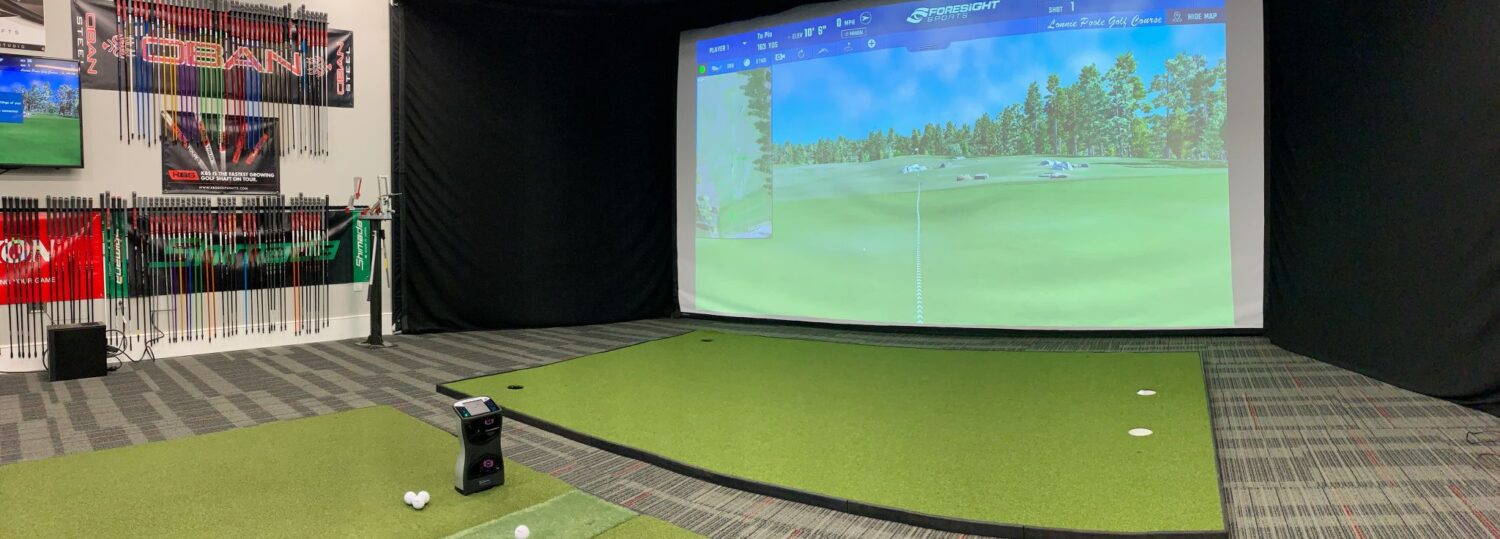
A fitting in two environments
The indoor bay allows precise comparison. The outdoor range and short-game areas provide the turf, wind, depth and real ball flight that complete the picture.
Your next best swing starts here
Call Daniel to talk through what you want to improve. Your fitting will be planned around your swing, your equipment and your goals.